
The Masterpiece that Fell Apart: A Renaissance Rupture
Even the life of the ultimate polymath can’t hold itself together when Simon & Schuster’s "gold standard" hardcover binding fails, leaving one disappointed reader with a masterpiece in three pieces.
⭐⭐
1/21/20262 min read
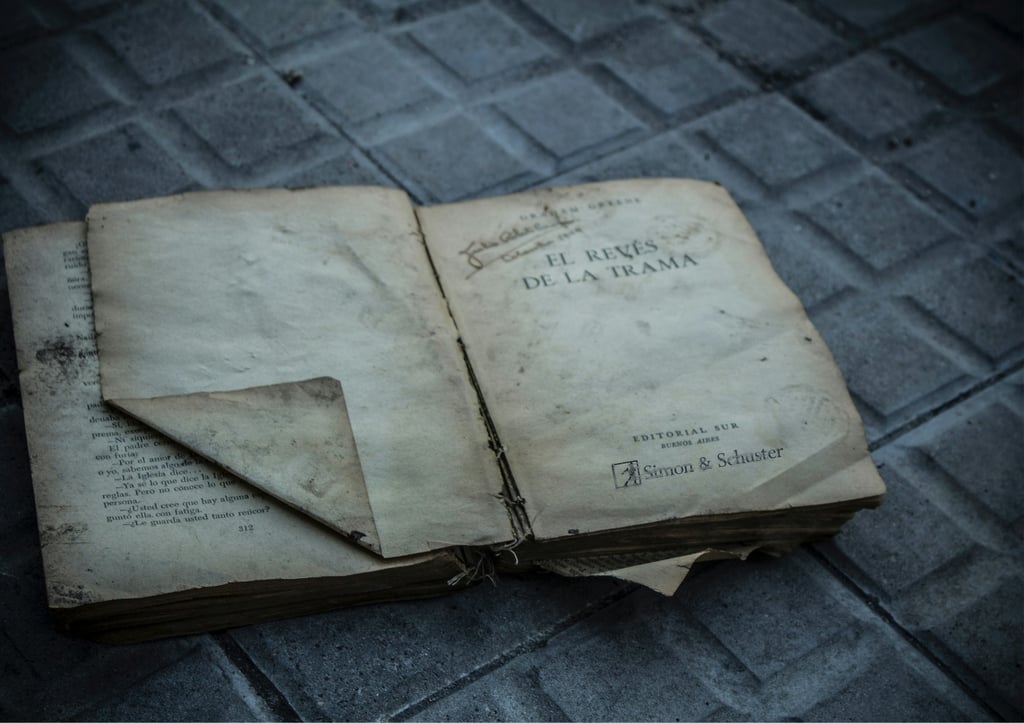
In the world of publishing, there is a silent contract between the reader and the house. When a reader invests in a thick, ambitious biography of a man like Leonardo da Vinci, they aren’t just buying information, they are buying a permanent addition to their library. They expect the physical vessel to be as enduring as the genius it describes.
However, for one reader, the experience with Simon & Schuster felt less like a Renaissance revival and more like a structural collapse. This is the story of a book that couldn't hold its own weight.
The Review in Full: A 2-Star Disappointment
Rated: 2/5 Stars by Kalyani Sundaresan
"I bought Leonardo Da Vincis biography. The binding on the book is so bad that it split into 3 pieces - did not expect that of a hardcover book."
A Structural Failure of Genius
When Kalyani Sundaresan sat down to immerse themselves in the life of the ultimate polymath, they likely expected a premium experience. The book in question, Walter Isaacson’s Leonardo da Vinci, published under the prestigious Simon & Schuster imprint, is a behemoth. It is a work designed to be felt: heavy paper, lush illustrations, and a sturdy hardcover.
But as Kalyani turned the pages, a literal "breaking point" was reached. Instead of a seamless journey through 15th-century Italy, the reader was left holding three separate chunks of paper and glue.
The "Hardcover Promise"
The core of this grievance lies in the expectation of quality control. A hardcover book is traditionally the "gold standard" of the industry. It carries a higher price point specifically because it is meant to last a lifetime. When a spine fails, it isn't just a minor inconvenience; it is a total failure of the product's primary function.
The Shortcomings Identified:
Adhesive Integrity: In modern high-volume publishing, many houses have moved from traditional "Smyth Sewing" (where groups of pages are stitched together) to "Perfect Binding" with glue. For a book as heavy as the Da Vinci biography, glue alone often struggles to support the weight of the high-grade, coated paper.
The "Authors Review" Paradox: While the author’s work is brilliant, the publisher’s execution of the physical object failed the text. A 2-star rating is particularly painful here because it suggests the reader wanted to love the book, but was physically prevented from enjoying it.
Production vs. Profit: Critics often point out that when "Big Five" publishers like Simon & Schuster rush to meet massive demand for a bestseller, the drying time for adhesives or the quality of the binding gauze can sometimes be sacrificed to speed up the binders.
A Fragmented Legacy
For Simon & Schuster, a reviews like Kalyani’s is a cautionary tale. In an era where digital books are rising, the physical book must justify its existence through superior craftsmanship. If a hardcover can't survive a single reading, it loses its value as a keepsake.
Kalyani’s experience serves as a reminder that even if the content is a masterpiece, a weak spine will eventually cause the whole story to crumble.